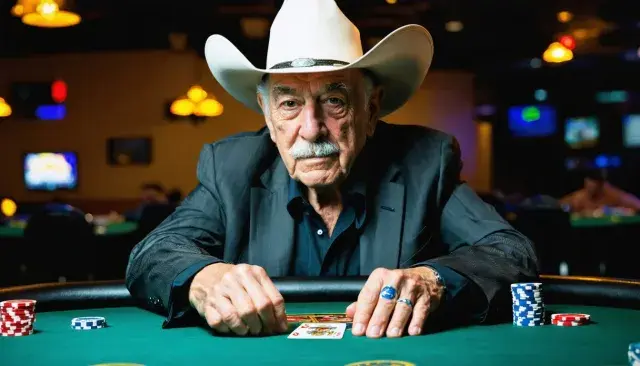
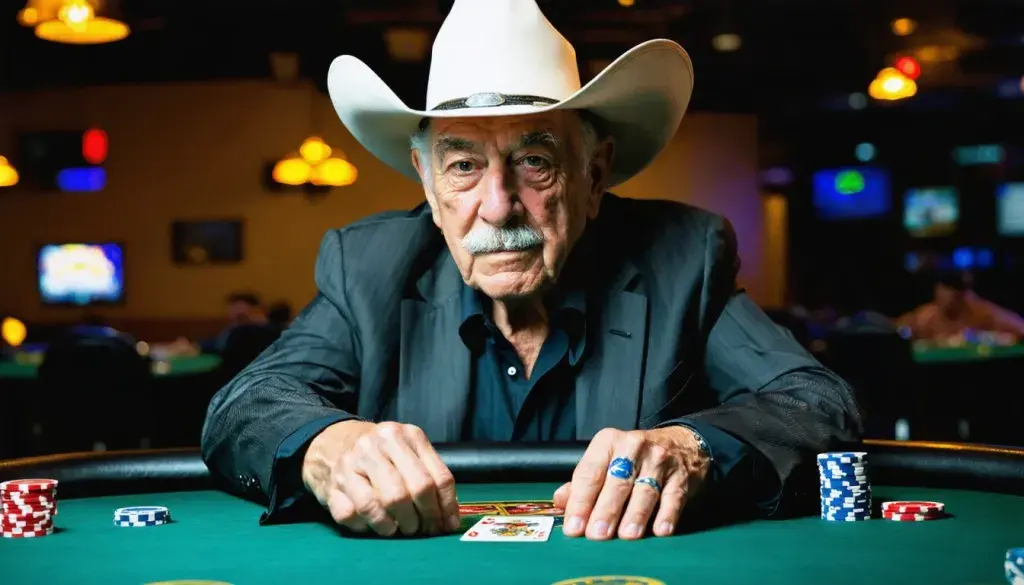
At 76 years old, Doyle Brunson, winner of ten World Series of Poker bracelets including back-to-back Main Events in 1976 and 1977, reflects on a career that reshaped perceptions of poker. Author of the best-selling strategy book Super/System and autobiography The Godfather of Poker, he emphasizes reading opponents over calculating odds. Named the most influential figure in poker by Bluff Magazine in 2006, Brunson's insights reveal how the game has evolved from stigmatized underground pursuit to mainstream pursuit.
Reading People Trumps Mathematical Precision
Poker demands insight into human behavior more than mastery of probabilities, Brunson insists. He admits weakness in advanced math yet excelled by discerning motives during hands. One early showdown against top rival Johnny Moss in Houston crystallized this approach: Brunson called a large bet with jack high, outmaneuvering both Moss, drawing dead, and another with top pair, securing the pot through anticipation of reactions.
From Texas Outlaw Games to Adjusted Conservatism
In 1950s Texas circuits, poker carried mortal risks, with Brunson witnessing a fatal shooting and two heart attacks at tables. Social stigma once equated participants with gangsters, prompting acquaintances to avoid him despite his need to fund graduate school at Hardin-Simmons University through the game. Now, former detractors seek him in Las Vegas, while Brunson has shifted from aggression to a measured A-B-C strategy, yielding strong outcomes against hyper-aggressive modern styles.
Memories, Thrills, and Preserving Game Integrity
Superior recall defines excellence, Brunson says, enabling recall of past encounters with specific opponents. Despite online volumes eclipsing his lifetime hands, the adrenaline from hole cards persists undiminished. He critiques televised antics that prioritize spectacle over substance, eroding dignity as participants dress or act for attention rather than focus on solid execution. Iconic Main Event triumphs with ten-deuce offsuit underscore his rule: discard that hand routinely.
Challenging Notions of Poker’s Past and Present
Brunson disputes claims that today's fields surpass 1970s and 1980s eras, when all entrants were battle-hardened veterans from top to bottom. His philosophy—adapt to opponents' tendencies—remains timeless amid the game's cultural ascent from pariah activity to respected endeavor. These reflections affirm poker's core as a profound test of character and adaptability.