A single flagged photo can freeze your entire content strategy overnight. One moment your post is live, collecting likes and comments; the next, it's replaced by a warning screen and a vague explanation. This is the reality of Instagram locked posts, a feature that has quietly reshaped how creators, brands, and casual users experience the platform's moderation system.
The confusion around this feature is understandable. Instagram rarely explains its decisions in plain language, leaving users to guess whether a copyright claim, a community guidelines flag, or an algorithmic glitch caused the lock. For creators who depend on consistent visibility to grow an audience, even a short-lived restriction can disrupt momentum built over weeks or months. Those actively working to expand their reach often look for complementary strategies, and understanding how to boost video on instagram becomes just as important as knowing how to avoid restrictions in the first place. Growth and compliance are not separate concerns; they're two sides of the same account-management coin.
This guide walks through five essential points every Instagram user should understand: what a locked post actually is, why it happens, how it affects your account, what recent policy shifts mean for you, and what concrete steps resolve or prevent the problem. By the end, you'll have a practical, no-nonsense reference for handling this issue with confidence.
1. What Are Instagram Locked Posts, Exactly?
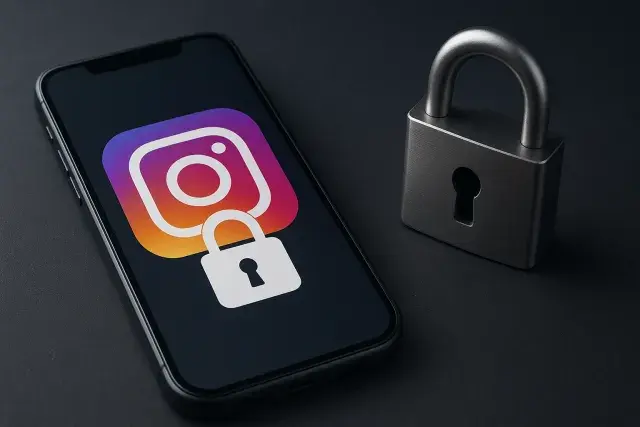
An Instagram locked post is content that the platform has restricted from normal visibility while it undergoes review or enforcement action. Unlike a deleted post, which disappears entirely from your profile, a locked post typically remains in place but becomes inaccessible to some or all viewers. You might see a warning overlay, a message stating the content is under review, or a notice explaining that visibility has been limited due to a policy violation.
The distinction matters because each state carries different implications. A hidden post might simply be tucked away from public search results while remaining visible to your followers. A removed post is gone permanently, often after a formal violation has been confirmed. A locked post sits in between: it's paused, pending a decision, and in many cases reversible if you successfully appeal or if the platform's automated system corrects an error.
- Locked post: content is restricted or paused, often reversible, usually accompanied by a notification and appeal option.
- Hidden post: content is deprioritized in feeds or search but may still be viewable by followers.
- Removed post: content is permanently deleted after a confirmed violation, with limited or no appeal path.
Consider a straightforward example: a user posts a video containing a popular song, and the audio triggers an automatic copyright match. Instead of deleting the post outright, Instagram locks it while the claim is verified. The user retains ownership of the post, but nobody outside their own view can see it until the review concludes.
2. Why Does Instagram Lock Posts? Common Triggers
Instagram's enforcement system operates on a mix of automated detection and human review. Most locks stem from one of three categories: violations of community guidelines, copyright or intellectual property claims, and suspicious account activity. Understanding which category applies to your situation helps you predict how quickly the issue might resolve and what kind of response, if any, is required from you.
2.1 Community Guidelines Violations
Content that touches on nudity, graphic violence, hate speech, or misinformation is the most common trigger for a lock. Instagram's automated systems scan images, video frames, and captions for patterns associated with these categories. A post doesn't need to clearly violate a rule to get flagged; borderline content, satire, or context-dependent material often gets caught by systems that lack the nuance to distinguish intent. A post referencing a sensitive current event, for instance, might get locked even if the caption was clearly critical or educational rather than promotional.
2.2 Copyright and Intellectual Property Claims
Music tracks, video clips from other creators, and reposted images without proper attribution are frequent sources of copyright locks. Instagram uses audio and video matching technology to compare uploaded content against a database of protected material. When a match is detected, the platform doesn't always remove the post immediately; instead, it often locks it while the rights holder or an automated system determines whether the use qualifies for a takedown or falls under an acceptable use case.
2.3 Suspicious Activity or Spam Detection
Accounts that exhibit bot-like behavior, mass-tagging patterns, or coordinated engagement through third-party services can trigger locks unrelated to the actual content of a post. This category catches many creators who unknowingly used automation tools or engagement pods to inflate likes and comments. The system flags the pattern of activity around the post rather than the post itself, which is why some users are confused when a seemingly harmless photo gets locked.
| Trigger Type | Example | Review Type |
|---|---|---|
| Community guidelines violation | Graphic imagery or hate speech flagged by automated scanning | Automated, sometimes escalated to human review |
| Copyright claim | Unlicensed music or reposted video content | Automated matching, followed by rights holder response |
| Suspicious activity | Mass tagging or bot-driven engagement patterns | Automated behavioral analysis |
3. How Locked Posts Affect Your Account and Reach
A locked post doesn't just disappear from view; it can ripple across your entire account's performance. When a post is locked, engagement metrics typically freeze, meaning likes, comments, and shares stop accumulating during the restriction period. For accounts that rely on consistent posting schedules to maintain algorithmic favor, this pause can quietly reduce reach on subsequent content as well, since the platform's distribution systems often factor in recent engagement trends.
- Reduced visibility in followers' feeds and explore recommendations during the lock period.
- Paused engagement counts, which can distort your understanding of a post's actual performance.
- Restricted sharing options, preventing others from reposting or sending the content via direct message.
- Potential impact on advertising eligibility if the account is used for promoted content.
- Slower follower growth if the locked post was part of an active campaign or launch.
Repeated locks carry heavier consequences. A single isolated incident rarely causes lasting damage, but a pattern of flagged content signals to Instagram's systems that an account may require closer scrutiny. This can lead to broader restrictions, including limited posting privileges, reduced organic reach across the entire profile, or in severe cases, a full account suspension. Treating each lock as a signal worth understanding, rather than a random inconvenience, protects your account's long-term standing.
4. Latest Instagram Locked Posts News and Policy Updates
Instagram's approach to content moderation continues to shift as the platform balances user safety with creator frustration over inconsistent enforcement. Recent instagram locked posts news has focused on improving transparency around why a post was restricted, giving users clearer explanations instead of generic policy references. This shift responds to long-standing criticism that automated systems flagged content without offering meaningful context for the decision.
Another area of instagram locked posts update activity involves the appeal process itself. Instagram has worked to streamline how users request a second review, aiming to reduce the waiting period between submitting an appeal and receiving a resolution. While review times still vary depending on the type of violation and the volume of appeals the platform is processing, the general direction has been toward faster, more informative responses.
Policy adjustments have also touched on how copyright claims are handled, with a stated emphasis on distinguishing between clear infringement and legitimate creative use, such as commentary, parody, or educational content. These distinctions remain imperfect in practice, since automated matching tools still struggle with nuance, but the direction of policy reflects an acknowledgment that blanket enforcement frustrates legitimate creators. Staying aware of these shifts matters because enforcement patterns change, and a lock that might have resulted in a lengthy review a year ago could now resolve faster, or vice versa.
5. How to Resolve a Locked Post or Prevent Future Locks
Whether you're dealing with an active lock or trying to avoid one in the future, a clear plan reduces both the stress and the guesswork involved. This section breaks down the practical steps for appealing a restriction and the habits that keep your account in good standing.
5.1 Step-by-Step: Appealing a Locked Post
- Locate the notification Instagram sent regarding the lock, usually found in your account status or notifications tab.
- Tap the option to request a review, which is typically labeled clearly within the notification or post details screen.
- Provide any requested context, such as proof of original content ownership or clarification of intent, if the platform prompts for it.
- Wait for Instagram's response, which can range from a few hours to several days depending on the complexity of the case.
- If no response arrives within a reasonable window, check your account status page again or submit a follow-up through Instagram's official support channels.
5.2 Best Practices to Avoid Future Locks
- Use original photos, videos, and audio whenever possible to avoid automated copyright matches.
- Avoid third-party automation tools that mimic bot behavior, since these often trigger suspicious activity flags.
- Stay current with Instagram's community guidelines, since enforcement priorities shift as the platform updates its policies.
- Monitor your account status regularly rather than waiting for a lock to discover a problem.
- Diversify your growth methods through legitimate engagement strategies instead of relying on shortcuts that risk account penalties.
Following this instagram locked posts guide won't guarantee immunity from every restriction, since automated systems occasionally flag content in error. But understanding the causes, consequences, and resolution steps puts you in a far stronger position than reacting blindly each time a warning screen appears.
Questions and Answers
Can a locked post be permanently deleted by Instagram?
Yes, if the review confirms a genuine violation, a locked post can transition into a permanently removed one. In most cases, though, locking serves as a temporary holding state while the platform verifies whether a violation actually occurred.
Will I be notified if my post gets locked?
Instagram generally sends an in-app notification explaining that a post has been restricted, along with a general reason for the action. Notification delivery isn't always instant, so checking your account status page directly can confirm a lock faster than waiting for an alert.
Does a locked post affect my Instagram Insights or analytics?
Engagement tracking typically pauses while a post is under restriction, since likes, comments, and shares stop registering normally. This can create gaps in your performance data that make it harder to evaluate how well a specific post actually performed before the lock occurred.
How long does it usually take to resolve a locked post?
Resolution time varies significantly depending on the type of violation and whether the case requires human review. Straightforward automated errors sometimes resolve within a day, while copyright disputes or complex guideline violations can take considerably longer.
Can businesses or advertisers be affected differently by locked posts?
Business accounts running promotional content may face additional complications, since a locked post connected to an active ad campaign can pause the ad's delivery entirely. This makes monitoring account status especially important for businesses that rely on paid promotion alongside organic content.
Is there a difference between a locked post and a restricted account?
A locked post applies to a single piece of content, while a restricted account involves broader limitations across your entire profile, such as reduced posting ability or limited interaction features. Repeated content-level locks can sometimes escalate into account-level restrictions if a pattern of violations develops.