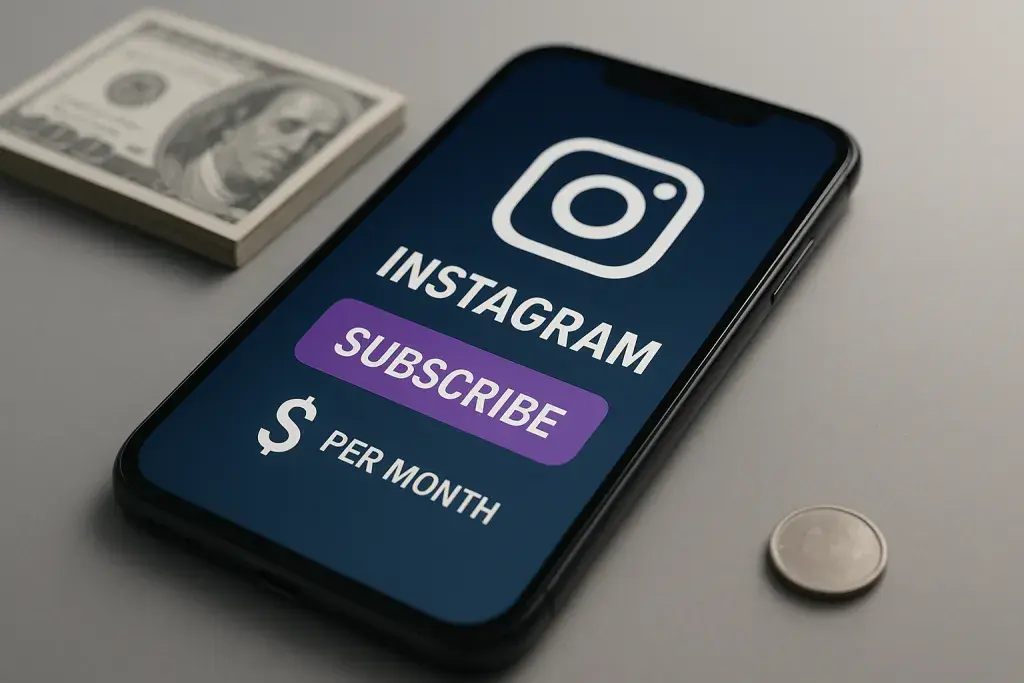
A follower base of a million people can still leave a creator broke. That's the uncomfortable math behind social media, and it's exactly why Instagram introduced a way for creators to charge fans directly for access to their content. No ad deals, no brand negotiations, no waiting for a sponsorship email that never arrives - just a direct financial relationship between a creator and the people who value their work enough to pay for it monthly.
For anyone unfamiliar with the mechanics, instagram paid subscription can look like a small, almost invisible button on a profile. But behind that button sits a structured system of tiers, perks, and exclusive content that changes how creators build income on the platform. Many creators pair this monetization tool with growth tactics, including learning how to boost views on instagram reels, since higher visibility on Reels often translates directly into more people discovering and eventually subscribing to a creator's page. The two strategies feed each other: reach brings attention, and subscriptions convert that attention into recurring revenue.
This piece breaks down instagram paid subscription explained in plain terms, walks through the setup process for both creators and fans, and covers what's changed heading into 2026. Whether you're weighing whether to launch a subscription tier or considering paying for one yourself, you'll find a grounded, practical look at how the whole system actually functions.
What Is Instagram Paid Subscription?
At its core, instagram paid subscription what is comes down to a simple exchange: fans pay a recurring monthly fee, and in return, they get access to content and interactions that non-subscribing followers don't see. It's a membership model built directly into the platform, rather than something bolted on through a third-party app or external payment link.
This differs from regular following in one fundamental way - following costs nothing and grants access to everything a creator posts publicly. A subscription sits on top of that free relationship, unlocking a private layer of content reserved specifically for paying supporters. Think of it less as an upgrade to following and more as a parallel tier that exists alongside it.
Not every account can turn on subscriptions. Instagram has generally restricted the feature to eligible creators, often based on factors like account standing, content category, and region, since the rollout has expanded gradually rather than launching everywhere simultaneously. Eligibility isn't guaranteed just because someone has a large following; it's tied to how the platform categorizes the account and whether subscription tools have been enabled for that market.
Subscribers typically receive a mix of benefits designed to make the extra cost feel worthwhile:
- Subscriber-only posts, Stories, or Reels not visible to regular followers
- A badge or icon marking them as a subscriber in comments and DMs, giving them visibility within the creator's community
- Access to subscriber-only live broadcasts or behind-the-scenes content
- Closer interaction opportunities, such as priority replies or dedicated subscriber chats
The exact mix varies by creator, since Instagram gives account owners some flexibility in deciding what sits behind the paywall and what stays public.
How Instagram Paid Subscription Works: Step-by-Step
Understanding the mechanics from both sides - the creator setting things up and the fan signing on - makes the whole system much less abstract.
For Creators: Setting Up a Subscription
Creators who qualify for the feature access subscription settings through their professional dashboard. From there, the setup process typically involves defining pricing, choosing what content will be exclusive, and deciding how much of the profile stays visible to non-subscribers as a preview. Instagram usually nudges creators to post a mix of free and subscriber-only content, since a completely locked profile tends to convert fewer followers into paying subscribers.
Creators also decide how subscriber badges appear and whether they want to run subscriber-only Lives, which function as a private space where only paying members can join the conversation in real time.
For Fans: Subscribing to a Creator
On the fan side, the process is intentionally frictionless. A visible subscribe button appears on the eligible creator's profile, and tapping it walks the user through selecting a plan and confirming payment through their existing app store account - Apple or Google, depending on the device. There's no separate account creation or external checkout page involved, which keeps the barrier to entry low.
Managing, Canceling, or Switching Tiers
Subscribers retain control over their commitment at any point. They can view active subscriptions, cancel, or in some cases switch between tiers if a creator offers more than one pricing level.
- Open the creator's profile and tap the subscribe button
- Select a subscription tier and confirm the price
- Complete payment through the connected app store account
- Access exclusive content immediately after confirmation
Canceling works in reverse through account or subscription settings, and access to exclusive content typically ends when the current billing cycle closes rather than immediately upon cancellation.
What's New in 2026: Latest Updates and Features
Instagram paid subscription latest developments reflect a broader push to make the feature more competitive with other creator monetization tools. Instagram has continued refining how exclusive content integrates with formats fans already spend the most time on, rather than confining subscriber perks to static posts alone.
- Deeper integration between subscriber content and Reels, allowing exclusive short-form video to sit alongside a creator's public feed
- Expanded use of Broadcast Channels for subscriber-only updates, giving creators a more direct messaging-style connection with paying members
- Refined pricing flexibility, giving creators more room to test different price points for different audiences
- Improved discovery signals that help potential subscribers find creators offering subscriptions in categories they already follow
None of these changes overhaul the basic structure of the feature. Instead, instagram paid subscription 2026 updates mostly sharpen what already existed - tighter integration with content formats fans already use daily, and more tools for creators to experiment with pricing and exclusivity.
Instagram Paid Subscription vs Other Platforms
Instagram isn't the only place creators can charge for exclusive access. Patreon, OnlyFans, and YouTube Memberships all offer some version of the same idea, though the details differ enough to matter when a creator is deciding where to focus their monetization efforts.
| Platform | Pricing Model | Content Types | Revenue Share |
|---|---|---|---|
| Instagram Subscriptions | Single or multi-tier monthly fee set by creator | Exclusive posts, Stories, Reels, Lives, badges | Split between creator and app store fees |
| Patreon | Multiple tiers with varied benefits | Posts, downloads, community access, early releases | Platform fee plus payment processing costs |
| YouTube Memberships | Tiered monthly pricing | Badges, exclusive videos, members-only community posts | Split between creator and platform |
| OnlyFans | Single monthly price plus optional pay-per-view | Photos, videos, direct messaging | Platform commission on earnings |
The biggest practical difference is audience proximity. Instagram subscriptions live where a creator's existing followers already spend time, which lowers the friction of converting a casual follower into a paying subscriber compared to redirecting them to an entirely separate platform.
Benefits and Drawbacks for Creators and Fans
Advantages
For creators, the appeal is straightforward: recurring, predictable income that doesn't depend on brand deals or unpredictable ad revenue. It also strengthens the relationship with the most engaged part of an audience, since subscribers are, by definition, the fans willing to pay for closer access.
For fans, subscribing offers a sense of closer connection and access to content that feels more personal or immediate than what's available publicly. The badge system also gives subscribers visibility within a creator's community, which some fans find valuable in itself.
Potential Downsides and Common Mistakes
The drawbacks are just as real. Creators sometimes lock too much content behind the paywall, leaving non-subscribers with little reason to stick around or eventually convert. Others set pricing without testing what their specific audience is willing to pay, leading to low uptake even from otherwise loyal followers.
- Locking essential or previously free content behind a paywall too abruptly
- Underestimating how much ongoing exclusive content a subscription requires to retain paying members
- Setting a price without considering what similar creators in the same niche charge
- Failing to clearly communicate what subscribers actually get for their money
For fans, the main risk is simply forgetting about an active subscription that no longer delivers enough value to justify the recurring charge.
Is It Worth It? Decision Guide for 2026
Whether instagram paid subscription makes sense depends heavily on where someone sits in the creator-fan relationship. For creators with a modest but genuinely engaged audience, even a small percentage converting to paid subscribers can produce steadier income than sporadic sponsorships. The feature tends to work best for creators who already post consistently and have a clear sense of what exclusive content they can sustain long-term.
For fans, the decision comes down to a simple question: does the exclusive content or closer access justify the recurring cost, compared to simply following the account for free? There's no universal answer, since the value is entirely tied to how much a specific fan values that specific creator's extra content.
Creators considering the feature should weigh their posting consistency, existing audience engagement, and whether they have enough exclusive material to offer before committing to a subscription model rather than relying solely on brand partnerships or ad revenue.
Questions and Answers
How much does an Instagram subscription typically cost?
Pricing is set individually by each creator, so costs vary widely depending on the account and the tier offered. There's no fixed platform-wide rate, and creators often adjust pricing based on their audience size and the amount of exclusive content provided.
Can a creator offer more than one subscription tier?
Yes, Instagram allows some creators to set up multiple tiers with different price points and benefits, giving fans a choice between a basic and a more premium level of access. Not every creator uses multiple tiers, since some prefer a single, simpler pricing structure.
Is subscriber-only content permanently exclusive?
Creators decide how long content stays exclusive, and some eventually make older subscriber posts available publicly. There's no platform rule guaranteeing permanent exclusivity, so it depends entirely on the individual creator's approach.
How does Instagram pay creators from subscriptions?
Payments are processed through the app store used to complete the transaction, with a portion going toward platform and processing fees before the remainder reaches the creator. The exact payout schedule follows standard app store billing cycles.
Can I get a refund after subscribing to a creator?
Refund policies are generally governed by the app store used for payment rather than Instagram directly, so requests typically go through Apple or Google's standard refund process. Approval isn't guaranteed and depends on that platform's own policies.
Do I need a business or creator account to offer subscriptions?
Yes, subscriptions are only available to eligible professional accounts, meaning a personal account first needs to switch to a creator or business profile before the feature can be considered. Eligibility also depends on meeting Instagram's specific criteria beyond just the account type.